Welcome, 👨🏻💻
Learn to protect against cyber threats. Choose a module or puzzle to begin.
Phishing Awareness Training
Phishing emails trick users into sharing sensitive data. Learn to spot them.
What is Phishing?
Phishing is a cyber attack where someone tries to trick you into giving away sensitive information — like passwords, credit card numbers, or personal details — by pretending to be a trustworthy person or company.
Usually, phishing happens through:
Emails ("Your account is locked! Click here to fix it.")
Text messages ("You won a prize! Claim now.")
Fake websites that look almost identical to real ones.
The goal is to make you panic or excited, so you act quickly without thinking.
Example
Subject: Urgent Account Verification
Dear User,
Verify your account at [Link] to avoid suspension.
Regards,
[Fake Bank]
Attempts History
No attempts yet.

Password Security Training
Strong passwords prevent unauthorized access. Learn to create secure ones.
What Makes a Strong Password?
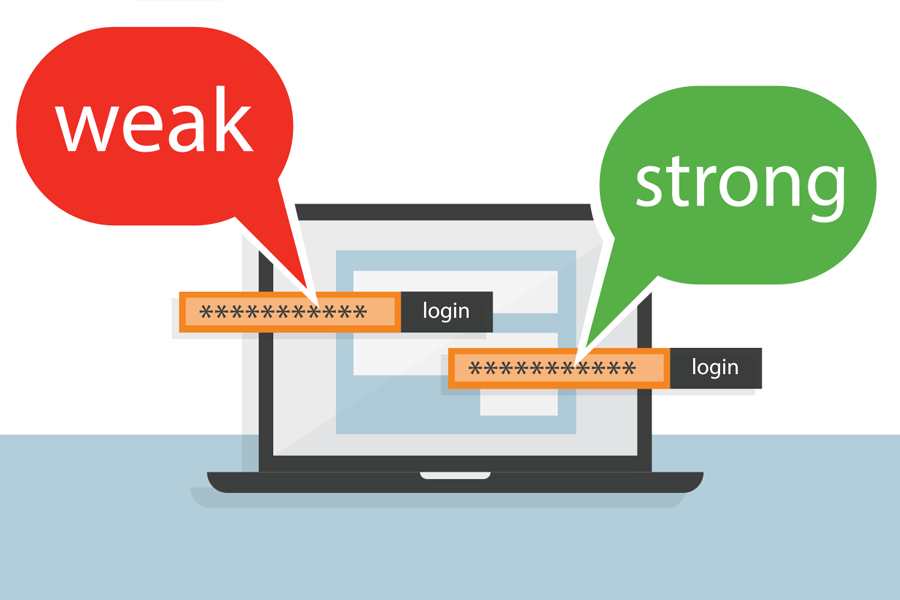
A strong password is one that is hard for others (or computers) to guess or crack.Here’s what makes a password strong:
🔒 Key Features of a Strong Password:
Length: At least 12 characters long (the longer, the better!).
-Mix of Characters:
Uppercase letters (A–Z), Lowercase letters (a–z), Numbers (0–9), Special symbols (! @ # $ % ^ & *)
No Common Words: Avoid using obvious words like password, 123456, or your own name.
No Personal Information: Don’t use things like your birthday, address, or pet’s name.
Randomness: The password should be unpredictable (not just "Summer2024!").
Example
Weak: password123
Strong: X7#mZ9$kL2@pQ8
Attempts History
No attempts yet.
Social Engineering Training
Social engineering manipulates users into sharing sensitive data. Learn to recognize it.
What is Social Engineering?
Social engineering is when someone manipulates people into giving away confidential information — like passwords, bank details, or access to systems — by tricking or influencing them, rather than hacking computers directly. In simple terms:
🔎 It's hacking people, not computers.
🔒 Common social engineering tricks:
Phishing emails ("Click this fake link to fix your account.")
Phone scams ("I'm from tech support. Give me your password to fix your computer.")
Fake emergencies ("Your boss needs you to urgently transfer money!")
Pretending to be someone you trust (like a coworker, bank agent, or IT staff).
Example
A caller posing as IT asks for your login credentials to "fix a system issue."
Attempts History

Phishing Email Sorting Puzzle
Drag emails into the correct category: Phishing or Legitimate.
Phishing
Legitimate
Question 1 of 10